
Lonza Shoes
How We Scaled Shoe Brand 0 to 280k in 1 month
A European footwear brand entered US DTC with a catalog-template store. SYNOV rebuilt Shopify UX, PDP standards, and measurement so shoppers could choose fast and performance could stabilize.
5 min read10,000+
Orders by 7th mo
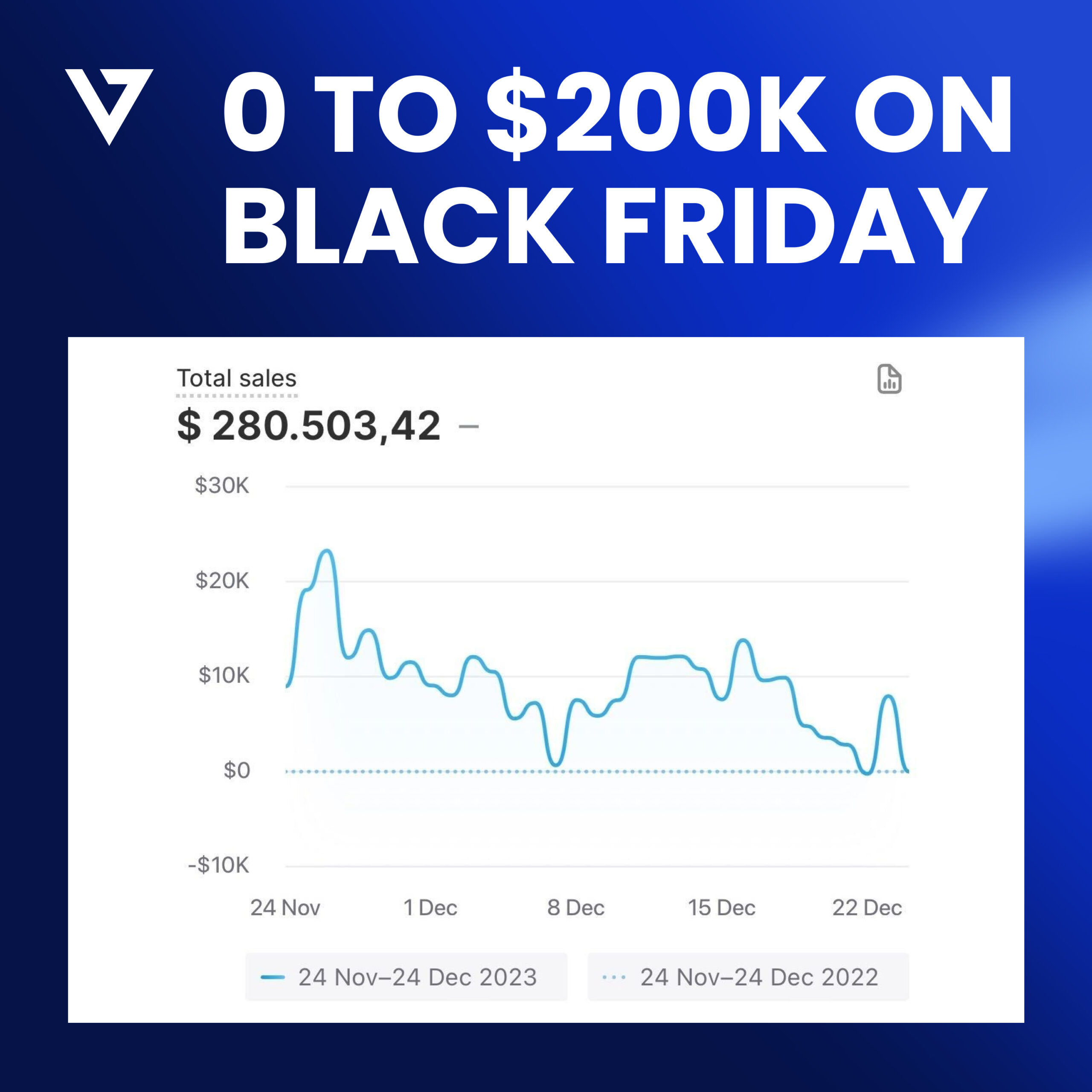
$280,000
Revenue in first 30 days
3.2+
ROAS
Call for change
A European shoe brand spent ~6 months trying to sell in the US and stayed stuck in low sales, with first-time Shopify and US DTC friction.
What happened
The result was a DTC system the team could operate through peak season pressure instead of guessing.
The challenge
The store behaved like a catalog, not a salesperson—so a large footwear assortment created hesitation instead of confident choices.
They were new to Shopify and US DTC, with months of effort already spent and still no repeatable system.
Launching right before Black Friday raised the stakes: the buying path had to work immediately, not “eventually.”
The results
Supported a catalog of 200+ SKUs with 200+ creatives weekly so performance didn’t stall from creative fatigue.
Implemented store-credit-first returns UX, reducing leak-out and keeping exchanges inside the storefront experience.
Achieved 100% accuracy data signals for Google and Meta, so optimization could run on reliable measurement.
Built a conversion-ready Shopify foundation and then moved the operation to Shopify Plus when scale demanded it.
Launched influencer marketing from zero into a repeatable internal process the team could keep running.
The approach
Customer reality first: digital market research with custdev insights to surface why shoppers hesitated and what each PDP needed to answer.
Storefront rebuilt for choice clarity: full Shopify revamp from a catalog template, with UX and PDP frameworks plus product photography guidance.
Measurement connected from day one: integrated GA4 + Meta + Search so optimization had clean inputs instead of noise.
Retention installed early: built email flows and campaigns so first-time traffic didn’t disappear after one session.
Returns engineered as a controlled loop: implemented a store-credit UX path through Aftership then Loop to keep exchanges inside the system.
Creator + influencer motion made operational: launched influencer marketing from zero and supported weekly content/SMM consulting so output stayed consistent.

Looking ahead
With PDP standards, measurement, and returns flows in place, the operator can add SKUs without re-learning the category each time. The same “make choice obvious” system repeats across the catalog—page structure, content coverage, and controlled signal quality. That’s how performance stays defensible when assortment grows.
