
Prizzi Sewing
We Made Industrial Equipment Sell Online at 11.04× ROAS
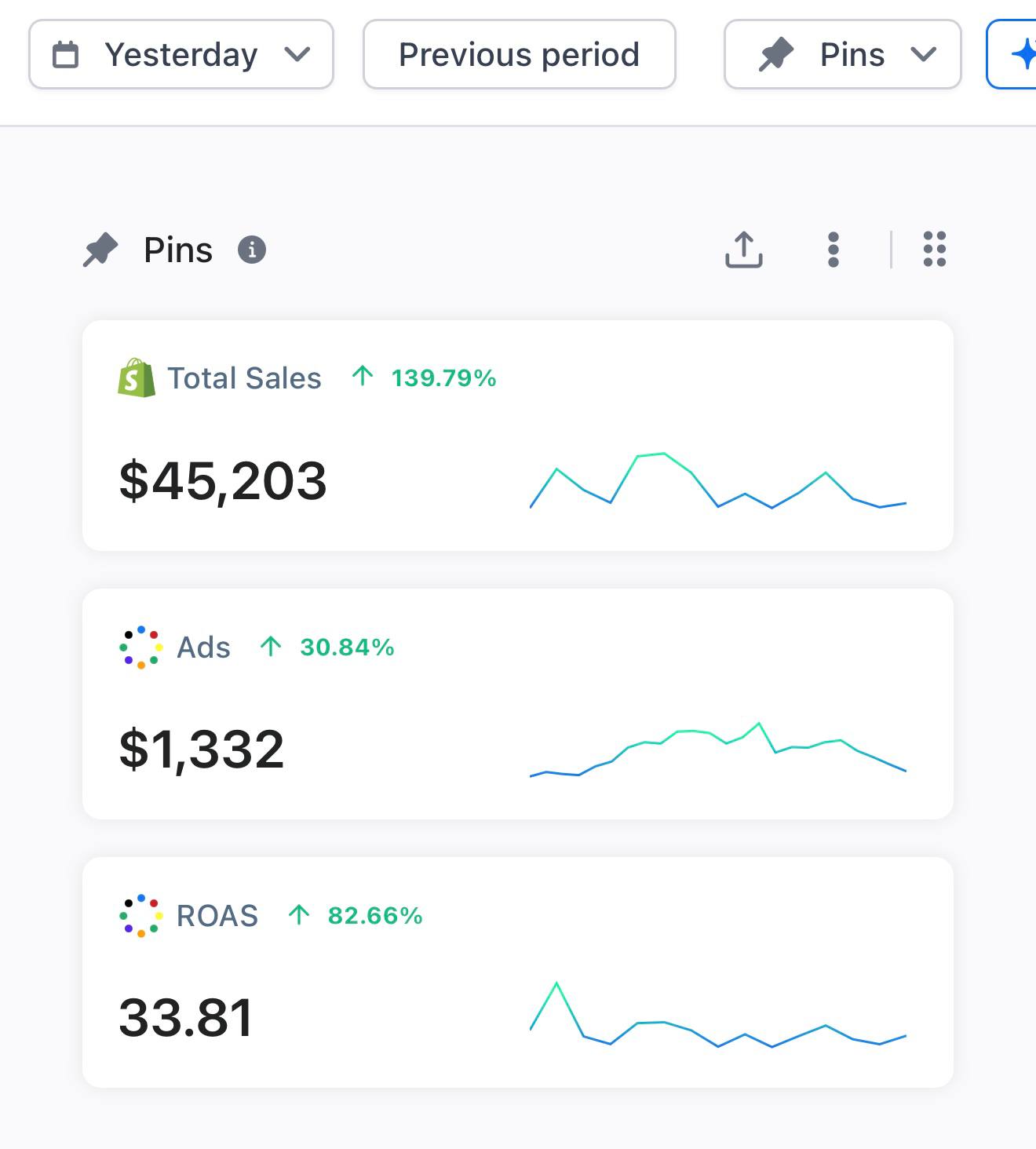
A legacy B2B industrial sewing equipment distributor lacked CRM, attribution, and digital merchandising. SYNOV Agency engineered a B2C/B2B Shopify store with comparison + customizer, then built paid and email to hit 11.04× ROAS.
4 min read0 to 7 Figures
Revenue
<11 months
Time to Full Scale
10.2×
ROAS/mo
$1,300+
AOV
Call for change
A legacy industrial sewing equipment distributor (est. 1981) needed an online ordering channel that wouldn’t disrupt existing B2B logistics. There was no CRM, no attribution, and no digital creative foundation to scale from. SYNOV Agency built the commerce and demand system end-to-end so online orders could be acquired, converted, and followed up reliably.
What happened
Reached six figures by month 8, then multiple six figures by month 11.
11.04× ROAS by month 11, holding efficiency as the program matured.
A real ecommerce foundation now exists: storefront, merchandising, lifecycle messaging, and paid structure built to run together (not as disconnected tactics).
Capabilities
Shopify Store Build · UX & PDP Framework · Meta + Google Ads · Klaviyo Automation · Photography · CRO · B2B Sales Strategy
The challenge
This was a legacy B2B distributor with no ecommerce operating muscle: no CRM, no attribution, no creative system. The mandate was simple and hard: open an online channel without breaking how B2B logistics already worked.
The results
Full Shopify Architecture B2C/B2B hybrid storefront built for variant-heavy catalogs. Integrated product customizer and comparison logic to simplify buyer decisions. Creative & Merchandising System New brand visuals, product photography, and PDP templates built for industrial precision. Each SKU structured for AOV optimization and clarity. Performance Media Meta campaigns promoting lower-ticket entry products while retargeting high-ticket decision-makers. Google search + shopping campaigns engineered for feed quality, query mapping, and ROAS control. Automation & Retention Klaviyo flows: welcome, add-to-cart, abandoned checkout, re-engagement. Weekly email campaigns calibrated around purchase stage and lead source. Governance & B2B Continuity No channel conflict: pricing parity preserved; fulfillment kept in existing warehouse workflow.
The approach
Customer + market research, grounded in real buyer inputs so the store could answer what buyers actually compare before they commit.
B2C/B2B Shopify storefront build with a product customizer + comparison system to make selection and configuration obvious.
Merchandising + PDP frameworks (UX, photography, structure) to reduce hesitation on expensive equipment.
Meta + Google campaign structure designed to pull buyers in through lower-AOV entry demand and convert into higher-AOV purchases.
Lifecycle email foundations + weekly campaigns to recover intent and keep demand warm after the first visit.
B2B sales / business dev consulting to support the broader distributor motion alongside the new online channel.
Looking ahead
With the store architecture and comparison logic in place, the next step is extending the same PDP standard across more of the catalog so buyers can choose faster with less back-and-forth. On the demand side, the entry-product pathway can keep feeding higher-AOV purchases without relying on broad, low-intent traffic. The system is now built to keep expanding under the same rules: clearer selection, cleaner merchandising, disciplined acquisition, and lifecycle follow-through.
FAQ
Will adding an online direct channel disrupt existing B2B logistics?
Not if the channel is designed around how the distributor already fulfills and supports orders. In this case, the goal was explicitly to open an online channel while keeping B2B logistics intact, so the build started with operational fit, not just front-end pages.
What made expensive equipment convert without heavy manual intervention?
Selection had to become obvious. The store was built with a customizer and comparison system, backed by merchandising and PDP frameworks that answer the questions buyers normally stall on.
Why run Meta + Google using lower-AOV demand when the business sells high-AOV items?
Because it creates a controlled on-ramp: capture intent cheaply and then convert into higher-AOV purchases through the right product framing and store experience. The campaign structure was explicitly built around that ladder.
Did you only build ads, or did you build the commerce foundation too?
Both. The engagement included the storefront build, UX and product photography, merchandising and PDP frameworks, lifecycle email flows, and the paid system that drives demand into that experience.
What lifecycle emails were put in place?
Core intent recovery and onboarding flows: abandons, add-to-carts, welcome, and re-engagement—plus weekly campaigns to keep demand active.
What proof matters most to an operator evaluating if this can work?
Efficiency that holds while the channel matures. In this case, ROAS was documented at 10.29× by month 8 and 11.04× by month 11—paired with meaningful online revenue milestones.
